Auto repair estimate software that ends the guesswork.
The number you quote is the number you collect.
Every estimate is a guess about labor time, and a low guess is money you'll never bill back. ShopOS's auto repair estimate software builds every quote the same way — itemized and priced off standard labor times — so nothing gets left on the table. The customer approves before a wrench turns.
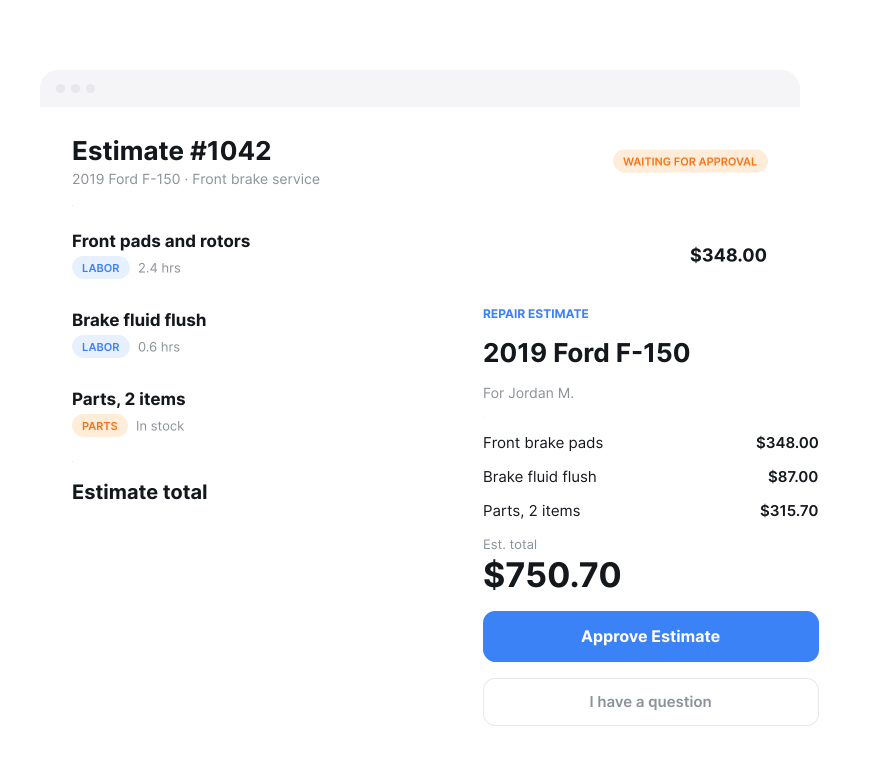
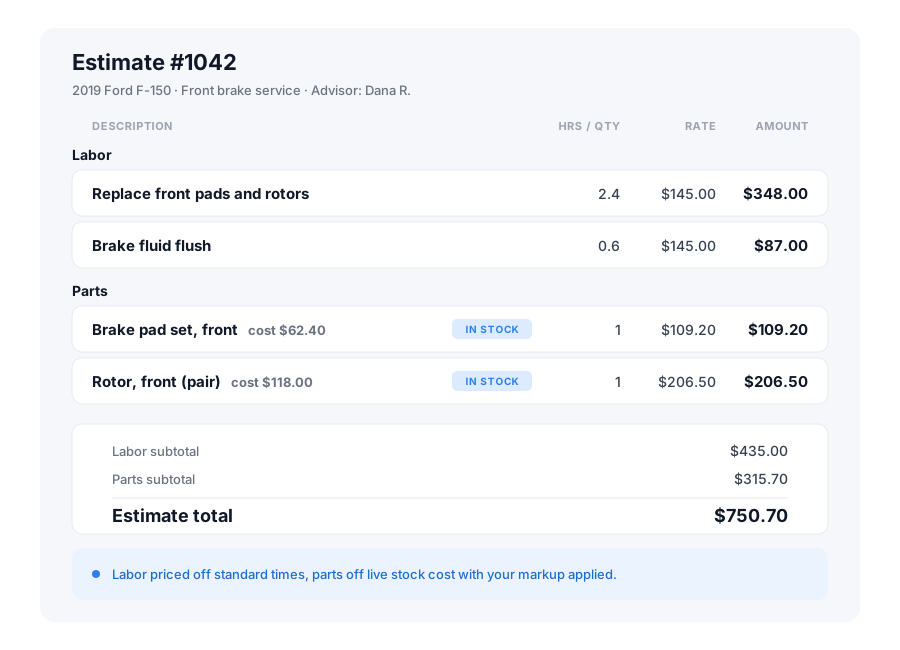
One quoting process, not six different guesses.
Built from memory, no two estimates look alike — different labor times, formatting, detail. ShopOS gives every estimate the same structure, so the customer gets a clear, itemized breakdown no matter which service advisor writes it.
- Labor and parts broken out, not a lump sum
- Real parts pricing pulled from your stock, cost and markup already applied
- Nothing left to memory or a sticky note on the counter
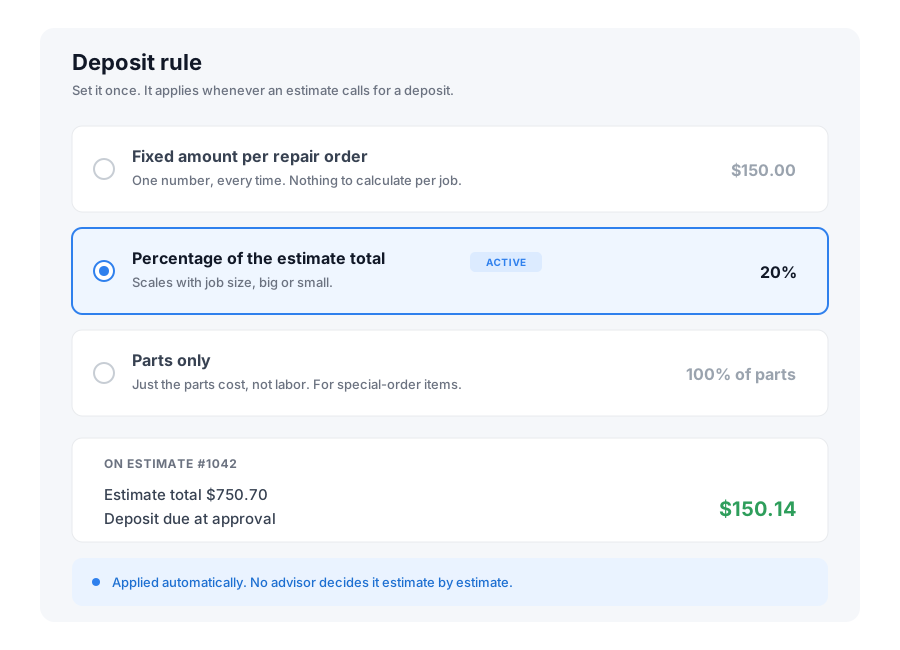
Deposits, set up the way your shop actually works.
Every shop handles deposits differently. Set your rule once in ShopOS, and it applies automatically whenever an estimate calls for it.
- A percentage that scales with job size, a flat amount per repair order, or parts-only for special-order and non-returnable items — whichever fits your shop.
- A deposit at approval, before the part ships or the job starts, keeps the risk with the customer, not the shop.
Why it matters: a set rule is easy for advisors to explain and apply — no negotiating case by case, no forgetting to collect on the order that needed it.
Your inspection and your estimate go out together.
The inspection and the quote aren't two separate asks. The advisor builds the digital vehicle inspection finding and the estimate to fix it together, and both reach the customer in one message. They see the worn brake pad and what it costs to fix it in the same breath — one decision, not a finding today and a price to chase tomorrow.
Inspection findings and estimate line items built together, not as two separate steps
Customer sees the problem and the price in the same message
One approval covers both — no second ask once they've already said yes
Nothing lost between what the tech found and what the advisor quotes
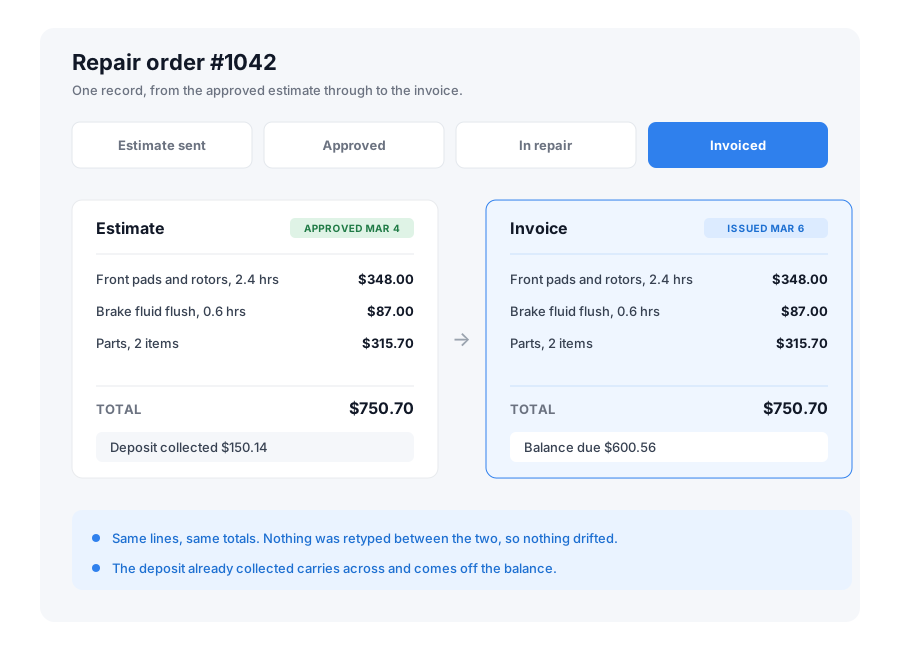
The estimate becomes the invoice — nothing gets re-typed.
Once a customer approves, the estimate isn't set aside and rebuilt later as a separate invoice. It travels with the job through the repair and becomes the invoice — labor and parts intact, nothing retyped.
- What the customer approved is what they're billed — no drift
- No manual re-entry of labor or parts between the two
- Full history stays attached to the repair order
Frequently asked questions
What is auto repair estimate software?
It's software that builds repair estimates directly from your labor and parts pricing instead of an advisor writing one from memory, so quotes are consistent and itemized the same way no matter who's writing them.
How do you write an auto repair estimate?
You start with the labor — the time the job should take, priced at your shop's rate — then add the parts, with cost and markup applied. A good estimate itemizes both, so the customer sees exactly what they're paying for. ShopOS builds it from your standard labor times and real parts pricing, so the numbers stay consistent no matter which service advisor writes the quote, instead of being guessed from memory.
Can a customer approve an estimate online?
Yes. The estimate goes to the customer by text or email, and they approve it from their phone — no phone call, no coming back to the counter. The moment they approve, the job is authorized and that estimate is locked in as what they'll be billed.
How much can the final invoice exceed the original estimate?
In most states, a shop can't bill significantly more than what was estimated without getting re-approval from the customer first — typically capped around 10% over. Estimating software that keeps accurate labor times reduces how often a job runs into that limit in the first place.
Does the estimate carry over to the invoice, or do we have to rebuild it?
You never have to rebuild it. Once a customer approves an estimate, everything is saved with the repair order — so when the job's done, it becomes the invoice with nothing retyped, not even after the repair takes days.